Board construction
Confirm the exact SKU, thickness, wear layer, plank size, backing and product sheet.
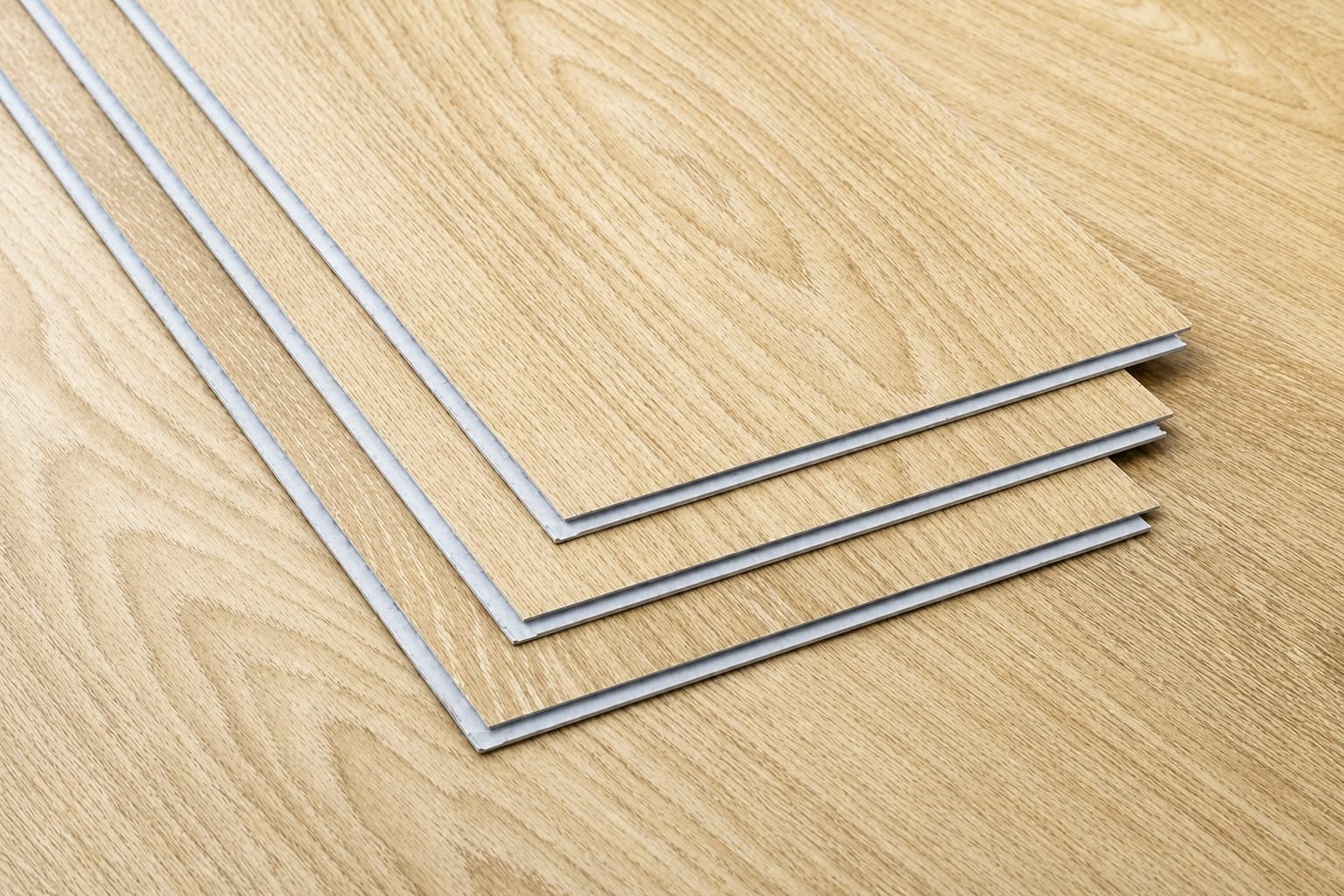
Rigid-core flooring guide
See what is inside the plank, how SPC differs from flexible vinyl, where it works well, what can fail and what should appear in a clear supply-and-installation quote.
SPC product specification
Confirm the exact SKU, thickness, wear layer, plank size, backing and product sheet.
Check flatness, moisture, hollow tiles, loose areas, floor height and door clearance before overlay work.
Use straight or standard staggered planks. Herringbone, fishbone, chevron and other angled patterns must not be used for this SPC route.
Before you compare
A convincing swatch does not show the core, lock edge, backing or condition of the floor below it. Start with the product construction and room, then compare colour within the suitable range.
Confirm the exact SKU, thickness, wear layer, plank size, backing and product sheet.
Check flatness, moisture, hollow tiles, loose areas, floor height and door clearance before overlay work.
Use straight or standard staggered planks. Herringbone, fishbone, chevron and other angled patterns must not be used for this SPC route.
Inside the plank
A colour sample shows only the surface. Ask for the selected product's full construction because appearance, wear, rigidity, joint strength and walking feel come from different parts of the board.
Helps the finished surface resist routine stains and wear. Care instructions still apply.
Protects the printed design from normal surface use. Match it to traffic and furniture movement.
Creates the wood or stone appearance. Compare full planks because one small swatch hides pattern repeat.
Provides the firm plank body. Core balance and the machined lock edge matter more than thickness alone.
Can change walking feel and sound. Confirm whether it is attached and whether another underlay is permitted.
SPC or flexible vinyl
SPC is not automatically suitable because it is thicker, and flexible vinyl is not automatically unsuitable because it bends. The appropriate system depends on the room, substrate, traffic and installation method.
| Compare | Flexible glue-down or loose-lay vinyl | Rigid-core click SPC |
|---|---|---|
| Core behaviour | Flexible glue-down or loose-lay vinyl can reveal substrate texture and unevenness through the finished surface. | SPC uses a rigid plank core, but it still needs a sound, dry and sufficiently flat supporting floor. |
| Installation system | Glue-down vinyl depends on substrate preparation, moisture control, the correct adhesive and curing time. Some vinyl also uses floating joints. | SPC is commonly installed as a floating click-lock floor. Lock quality, perimeter allowance, transitions and layout direction remain critical. |
| Heat and sunlight | Vinyl tiles and planks can gap, peak or curl after prolonged direct sunlight or thermal movement. | A rigid core improves dimensional stability, but direct heat, tight edges and unsupported joints can still stress the floor. |
| Loads and surface wear | Flexible products can indent or reveal substrate imperfections. Suitability changes with product type and wear layer. | The firm core suits many daily-use interiors, but sharp loads, rolling chairs, grit and dragging furniture can still mark or damage the surface or joints. |
Living rooms, dining rooms, bedrooms, studies and selected dry commercial interiors.
Overlay projects where the existing tiles or screed are sound, dry and within the required flatness tolerance.
Homes that want a rigid wood-look plank with a click-lock installation route.
Projects where the exact SKU, product sheet, lock profile and installation scope can be confirmed.
Wet bathrooms, shower zones, balconies and other areas with drainage or regular standing water.
Hollow, loose, damp or uneven existing floors that have not been repaired or levelled.
Rooms with prolonged direct sun, unusual heat exposure or long uninterrupted runs without an approved movement plan.
Heavy point loads, rolling loads or an unspecified product where the lock, backing and care terms are unclear.
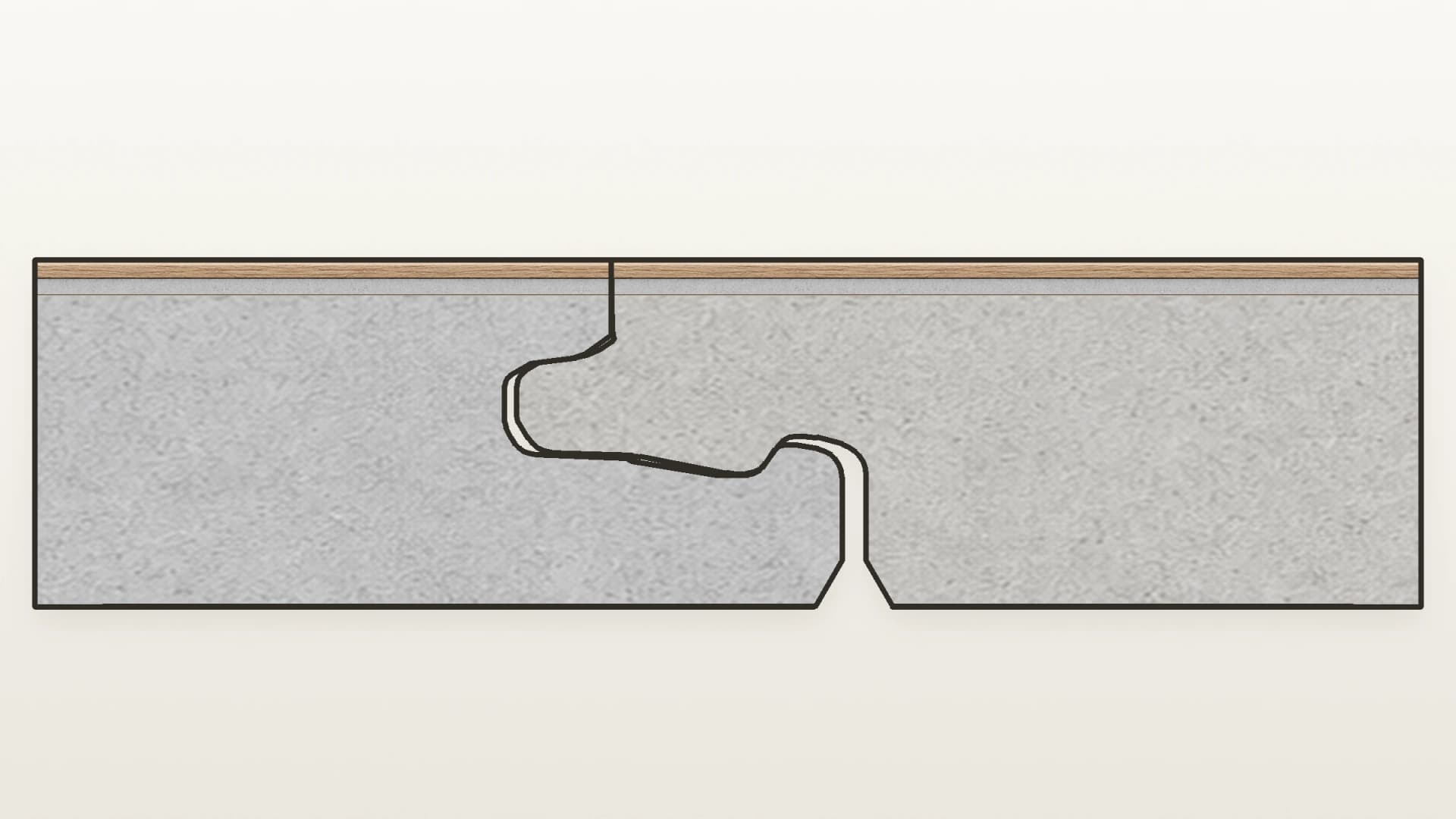
Profile checks
Product specification
A rigid floor is easier to compare when the board, wear layer, locking edge, plank size and room use are checked together.
Where SPC fits
SPC combines a firm plank body, wood-look finishes and click-lock installation for selected Singapore homes and commercial interiors. It still needs a suitable room, supporting floor and installation plan.
Suitable to assess for HDB, BTO, condo, office and retail interiors after site checks.
Useful for selected overlay work when the existing surface is sound, dry and flat enough.
Easy to compare when the exact product sheet, lock edge, board size and backing are visible.
Not a substitute for wet-area waterproofing, substrate repair or an approved movement plan.
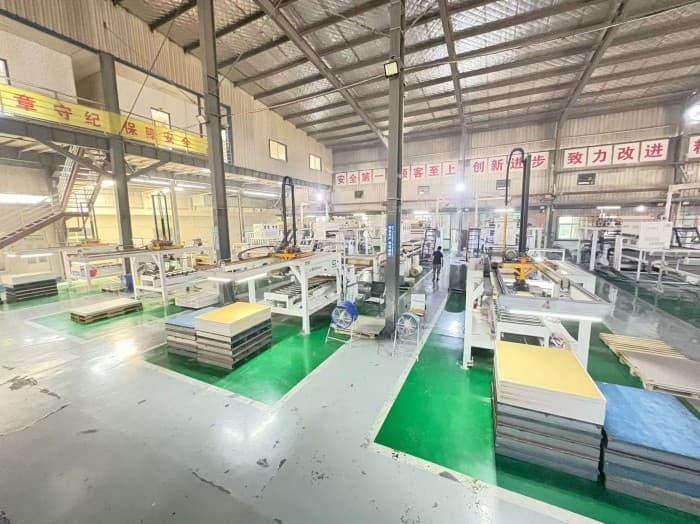
Supply and product context
Factory and stock context matter because the finished surface is judged by delivery, consistency and handover, not only by a sample photo.
Specification guide
Thickness, wear layer and backing answer different questions. None of them proves quality on its own, and all of them depend on the core, lock edge and intended room.
Affects floor height, transitions and door clearance. Compare it with core construction and the supporting floor.
Protects the printed finish from routine use. Match it to traffic, cleaning, chairs, pets and furniture movement.
Transfers movement between planks. Inspect the machined edge and use only the layouts approved for the system.
Influence walking feel, sound and total height. Confirm what is attached and whether any added layer is permitted.
Installation sequence
Product quality cannot compensate for an unsuitable substrate or a restricted floor. Record the condition first, then prepare, install and inspect against the selected product instructions.
01
Check level, moisture, hollow or loose areas, cracks, floor height, doors, fixed furniture and direct-sun exposure.
02
Repair and level where required, keep the floor clean and dry, and follow the selected product's storage and acclimatisation instructions.
03
Use straight plank or standard staggered layout with the approved perimeter, transition and locking details.
04
Review joints, edges, transitions, skirting, doors and visible marks, then retain the SKU, care guidance and quote record.
Singapore references
Renovation conditions can change. Use these government sources together with the product specification and site review before work starts.
Questions
SPC is a rigid-core floor plank. A typical board combines a surface coating, wear layer, printed design, rigid mineral-PVC core and, on some products, an attached backing. The exact construction must be confirmed on the selected product sheet.
The rigid core is water-resistant, but the installed floor is not a waterproofing system. Water can still reach joints, edges, skirting or the substrate, so spills should be removed promptly and wet bathrooms need a different material review.
SPC has a rigid plank core and is commonly installed with click-lock joints. Flexible glue-down or loose-lay vinyl bends more readily and relies closely on substrate preparation. LVT or LVP labels alone do not identify which construction or installation method a product uses.
SPC can suit many HDB, BTO and condo interiors when the product specification, existing floor, door clearance, skirting, room use and renovation requirements are checked before installation.
Often yes, but only after confirming that the tiles are sound, dry and flat enough for the selected system. Hollow tiles, loose areas, high grout lines, dampness and door-clearance problems should be resolved first.
Choose both by room traffic, existing floor, door clearance, furniture load, backing and the selected product specification. A thicker board is not automatically better if its core balance or locking edge is weak.
Do not treat a wet bathroom or shower area as a normal SPC room. Drainage, falls, waterproofing, slip resistance, joints and edge sealing need a separate wet-area material decision.
It can. A rigid core improves stability, but prolonged heat, strong direct sunlight, restricted movement or tight perimeter details can still stress planks and joints. The room and manufacturer limits should be checked before installation.
Enoch SPC must be planned and installed as straight plank or standard staggered flooring only. Herringbone, fishbone, chevron and other angled click-lock layouts must not be planned, quoted or installed for Enoch SPC. Herringbone, fishbone and chevron layouts need boards designed for angled cuts, compatible click profiles and a layout plan that protects the joint. Using a normal click-lock SPC board that way can create avoidable joint stress, gaps or lock damage.
Ask for the exact SKU and product sheet, measured area, substrate findings, preparation method, accepted layout, perimeter and transition details, skirting and door work, exclusions, installation timing, care guidance and warranty terms.
Next step
Send the property type, rooms, approximate area, current floor photos, preferred finish and timing. We will identify the product and site details that need confirmation before final pricing.