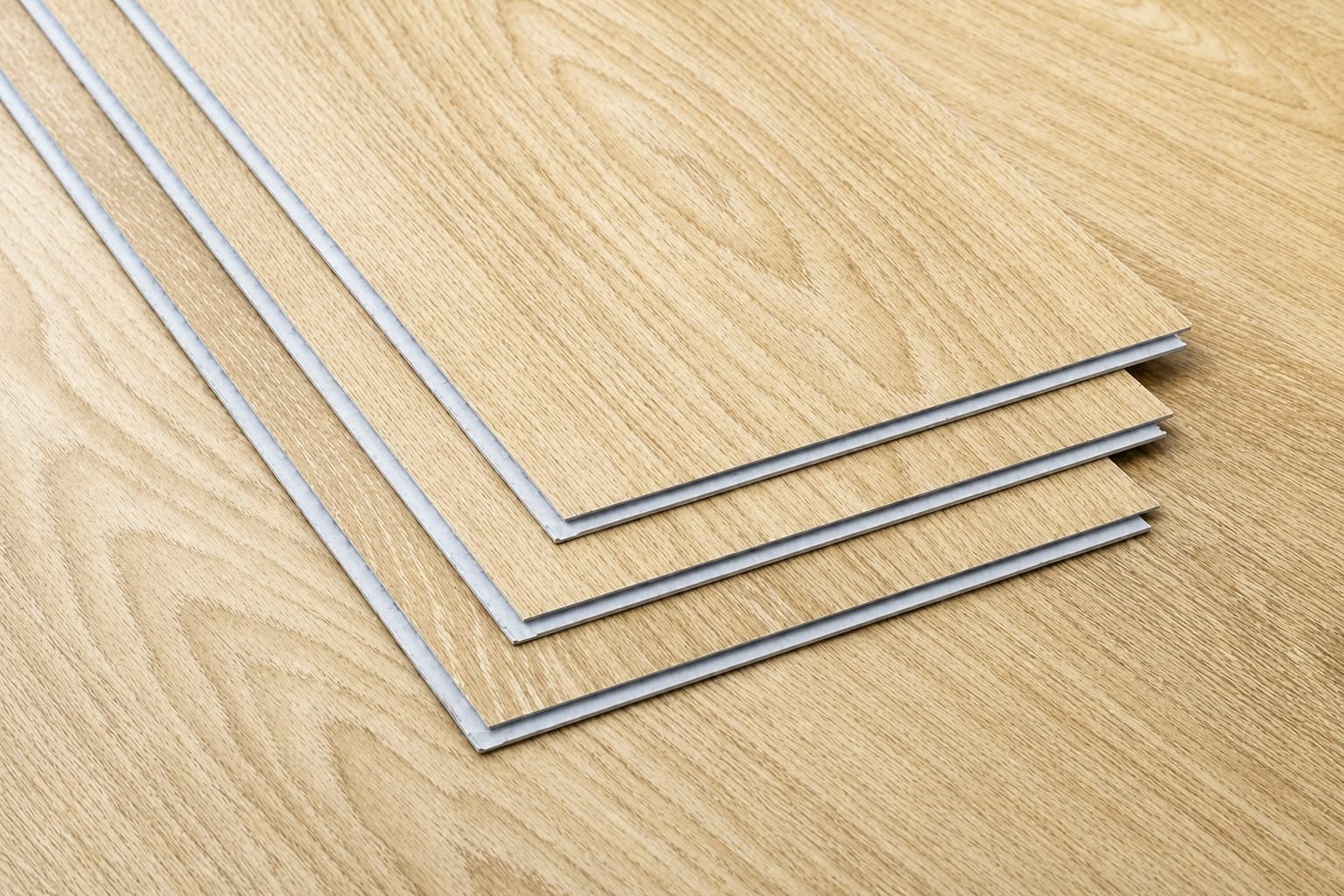
Vinyl and SPC flooring comparison sample

Vinyl flooring guide

Vinyl flooring Singapore, without the vague claims.

Compare flexible glue-down or loose-lay vinyl with rigid-core click SPC. A product labelled LVT or LVP may use either type of construction, so confirm the core and installation method before choosing.

Room use

Bedroom, living room, study, shop, office or rental turnover use changes the suitable floor system.

Existing floor

Tile, screed, old vinyl, uneven areas, moisture or height limits affect preparation.

Product documents

Product sheet, care terms, warranty support and installation method should match the quoted product.

Quote scope

Area, trims, skirting, door cuts, accessories, preparation and timing should be visible in the quote.

Product categories

Do not compare every vinyl name as one product.

The material name is only useful after the construction, backing, installation method and room use are clear.

Comparison category

Flexible glue-down or loose-lay vinyl

These products bend more readily than rigid-core boards and rely closely on the substrate and the specified installation system.

This is comparison information, not a current Enoch product family.

Enoch interior floor family

Rigid-core click SPC

A rigid plank with a machined click-lock edge for selected dry HDB, BTO, condo, office and retail interiors after site checks.

Confirm thickness, wear layer, plank size, locking edge and layout direction.

Label requires clarification

A product labelled LVT or LVP

LVT and LVP labels do not by themselves identify whether the product is flexible, rigid-core, glue-down, loose-lay or click installed.

Ask for the core construction and installation method before comparing it with SPC.

Vinyl limits to check

Vinyl has useful strengths and real limits.

Fast installation and easy cleaning do not remove the need to check sunlight, substrate condition, moisture, loads, adhesive and product chemistry. These are normal specification questions, not exceptional problems.

Scratches and concentrated loads

Flexible vinyl is softer than stone or ceramic. Surface coating and wear-layer specification change scratch, scuff and indentation resistance, but no vinyl floor is scratch-proof.

Direct sun and thermal movement

Prolonged sunlight can contribute to gaps, raised edges, curling, joint disengagement, adhesive de-bonding or fading in vinyl tiles and planks.

Subfloor telegraphing

Thin or flexible vinyl can reveal ridges, grout lines and other imperfections below the finished surface. Preparation and flatness are part of the product result.

Moisture below the floor

An impervious surface can trap excess substrate moisture. Glue-down systems can bubble or detach when dampness, preparation or adhesive curing is not controlled.

Adhesive compatibility

The adhesive must match the vinyl type and room. Plasticiser migration can loosen adhesive, soften the floor or cause discolouration in incompatible systems.

Product-source questions

Ask what PVC source and plasticiser route are used, which tests apply and whether the exact product has current documentation. Do not rely on a generic low-VOC or green claim.

Source basis: Building and Construction Authority, Good Industry Practices for Vinyl Flooring. Product performance still depends on the selected product, test documents, site condition and installation.

Flexible vinyl or rigid SPC

Choose by the floor system, not the shared vinyl label.

Both routes contain PVC and both can work well. Flexible vinyl is useful for selected bonded or specialist applications; rigid SPC is often easier to shortlist for dry residential interiors when the supporting floor suits a click-lock system.

Comparison of flexible glue-down or loose-lay vinyl and rigid-core click SPC flooring
CompareFlexible glue-down or loose-lay vinylRigid-core click SPC
ConstructionA flexible PVC product, including some glue-down or loose-lay products sold as LVT or LVP.A rigid mineral-PVC core plank with a machined click-lock edge.
Typical installationGlue-down or loose-lay, according to the exact product and substrate.Commonly a floating click-lock system without full-surface adhesive.
Subfloor effectSmoothness is critical because imperfections can show through flexible material.Rigidity reduces telegraphing, but flatness and support remain critical to the lock.
Typical fitUseful where a low profile, bonded surface or specialist sheet finish suits the room.Suitable to assess for dry HDB, BTO, condo and selected commercial interiors when the site supports a floating click floor.
Main checksMoisture, adhesive, curing, acclimatisation, seams, indentation and direct sun.Core balance, lock profile, backing, floor flatness, perimeter allowance, point loads and direct heat.

Flexible vinyl remains a valid route when

The project needs a low floor profile, a bonded commercial finish, sheet material with welded seams or another specialist product whose documents and installation system match the room.

Rigid-core SPC is relevant to assess when

The room is a dry HDB, BTO, condo or selected commercial interior, the floor below is sound and flat enough, and a rigid click-lock plank suits the height, movement and use conditions.

Before quotation

Use the room facts before reading price.

A sample and headline rate are not enough to compare products when the construction, site condition and installation scope are different.

Room use

Bedroom, living room, study, shop, office or rental turnover use changes the suitable floor system.

Existing floor

Tile, screed, old vinyl, uneven areas, moisture or height limits affect preparation.

Product documents

Product sheet, care terms, warranty support and installation method should match the quoted product.

Quote scope

Area, trims, skirting, door cuts, accessories, preparation and timing should be visible in the quote.

Questions

Vinyl flooring answers

Is vinyl flooring the same as SPC flooring?

No. Vinyl is often used as a broad market term. SPC is a rigid-core flooring route. Some products sold as LVT or LVP are flexible and some use a rigid core, so the label alone does not identify construction or installation.

Can vinyl flooring go over existing tiles?

It can be considered when the existing tiles are flat, sound and suitable for the chosen installation method. Site review is still needed before final quotation.

What should I ask before choosing vinyl flooring?

Ask for product type, backing, thickness, wear layer where applicable, installation method, care terms, warranty support and the full quote scope.

Which route should HDB buyers compare first?

Rigid-core click SPC is relevant to assess for many dry HDB interiors, but suitability still depends on the room, existing floor, clearance, board specification and complete installation scope.

Does Enoch currently quote flexible vinyl flooring?

No. Flexible vinyl is included here for comparison only. Enoch currently discusses quotations for its rigid-core SPC flooring range, subject to the selected product, site condition and work scope.

What are the common weaknesses of flexible vinyl flooring?

Depending on product and installation, flexible vinyl can scratch, indent, reveal subfloor imperfections, move or curl under prolonged direct sun, and develop adhesive-related bubbling or detachment when moisture and curing are not controlled.

When can flexible vinyl suit a project instead of rigid SPC?

Flexible vinyl may suit a project that requires a low-profile glue-down finish, specialist sheet product, hygienic welded seam or a particular commercial specification. Suitability depends on the exact product, substrate and room rather than the material name alone.

Next step

Compare the floor systems, then quote the selected SPC product.

Send the property type, room use, existing surface, photos and area. Enoch can compare the information you have and prepare an SPC quotation when that is the selected product.