Downtime control
Tell us the work window first so flooring does not interrupt opening hours or handover dates.
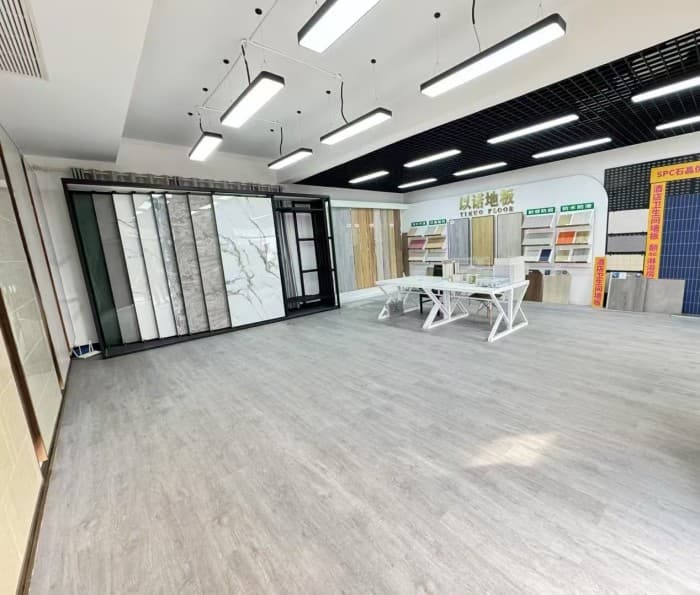
Project-ready
Choose commercial flooring by traffic load, cleaning demand, downtime window, and final handover date, not only by the cheapest material rate.
Commercial supply plan
Tell us the work window first so flooring does not interrupt opening hours or handover dates.
Match wear layer, cleaning load, and finish to each zone before comparing price.
Include preparation, trims, protection, phasing, and delivery timing so bids are comparable.
Before you compare
The lowest material rate is useless if the floor delays reopening, wears too fast, or excludes preparation. Send the project type, traffic load, and downtime window so we quote the real job.
Tell us the work window first so flooring does not interrupt opening hours or handover dates.
Match wear layer, cleaning load, and finish to each zone before comparing price.
Include preparation, trims, protection, phasing, and delivery timing so bids are comparable.
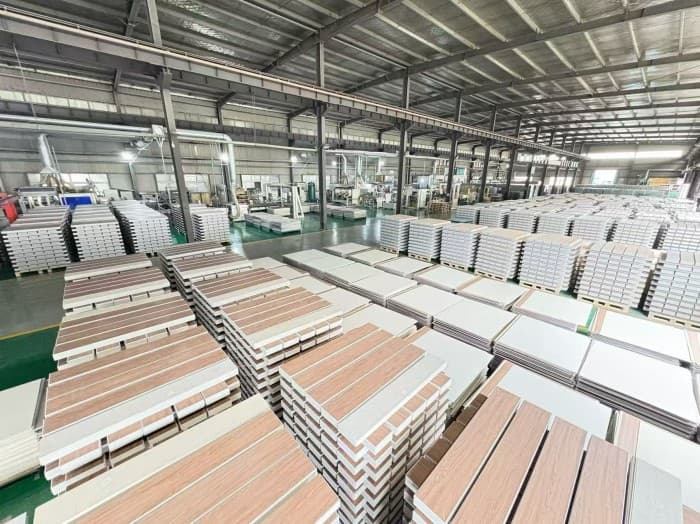
What to check
Reopening pressure
The floor has to match traffic, cleaning, access windows, site protection, stock timing and reopening date before the material rate matters.
Operational fit first
A useful commercial flooring quote must include access rules, traffic load, cleaning demand, floor preparation, trims, phasing, and handover timing.
Heavy-use SPC matched to offices, retail floors, clinics, and back-of-house circulation.
Work planning that keeps phasing, night work, and reopening dates visible before quotation.
Cleaning-load and maintenance fit clarified up front so material choice matches daily operations.
Site check when access, protection, or handover sequencing affects the final price.
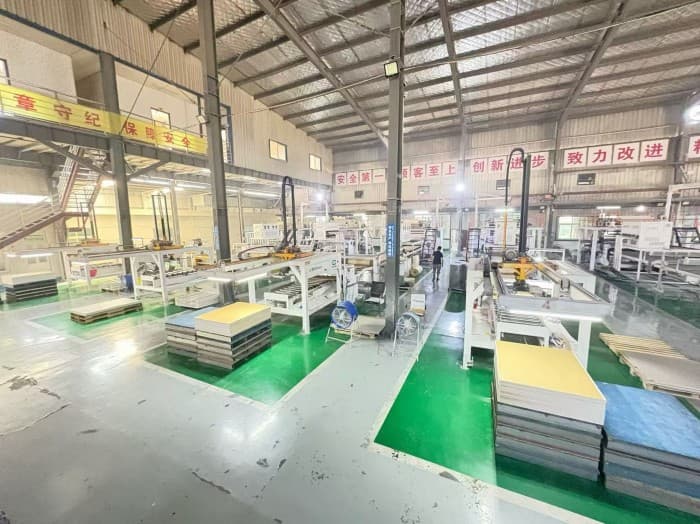
Supply and product context
Factory and stock context matter because the finished surface is judged by delivery, consistency and handover, not only by a sample photo.
Project types
Use the project type to choose the right specification. Then confirm durability, cleaning needs, low-downtime requirements, and installation disruption.
Balanced finish, quieter footfall, and cleaner phasing for occupied or staged office spaces.
More finish-driven surfaces where look, maintenance, and foot traffic all matter at the same time.
Easy-clean surfaces and simpler replacement planning where hygiene and operational continuity matter.
Operational planning for multi-zone projects where back-of-house and public areas need different priorities.
What we need
Commercial pricing becomes useful when the job facts are clear. These details stop hidden extras from appearing later.
01
Share work windows, lift access, protection needs, and disruption limits.
02
Separate public areas, back-of-house, wet areas, and support zones before specification.
03
Confirm whether appearance, easy cleaning, or fast replacement matters most.
04
Approve one quote covering material, preparation, trims, and delivery timing.
Questions
Heavy-use SPC is usually the safer starting point because it combines rigid-core stability, easier cleaning, and quicker replacement planning. The right choice still depends on traffic pattern, finish standard, and how much downtime the site can absorb.
Compare project phasing, access rules, floor preparation, protection, trims, and reopening requirements together with the material rate. A lower quoted rate can still be the weaker option if it excludes the real work needed.
Use project discussion when the site has phased handovers, restricted work windows, high cleaning demand, or multiple operational zones. That gives the team enough information to price the real commercial work instead of a generic flooring package.
Next step
Share project type, traffic load, access limits, downtime window, and finish expectation. We will price the material, preparation, trims, and installation details together.