SPC flooring material reference
SPC Knowledge Centre

Why do SPC locks break?

Why SPC Locks Break

SPC locks can break when the core is brittle, the lock profile is too weak, the subfloor is uneven, the plank is tapped poorly, or the installation leaves the floor under stress.

Topic

SPC flooring

Use

Room and quote check

Next

Project details

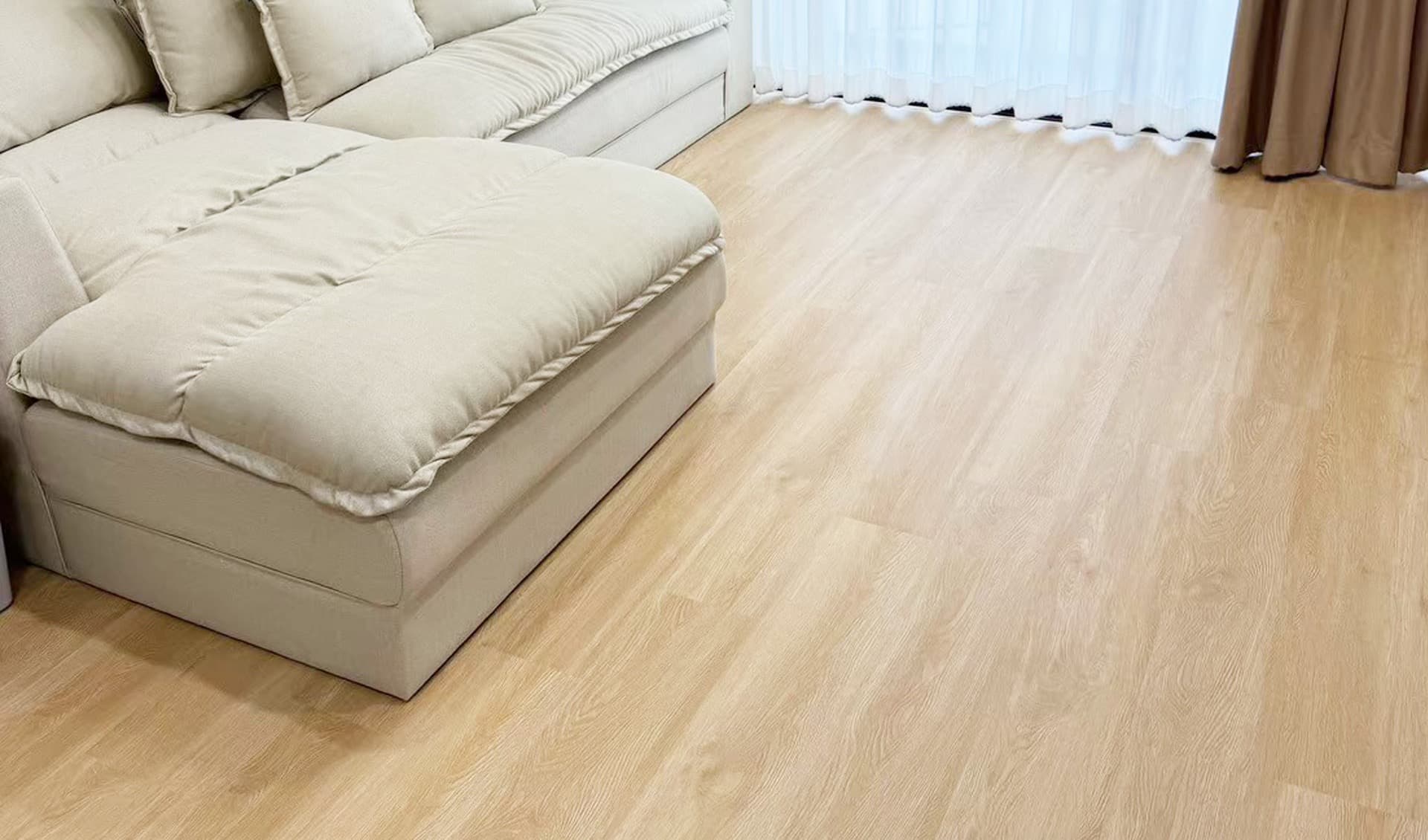
Why SPC Locks Break installed SPC room contextRoom context
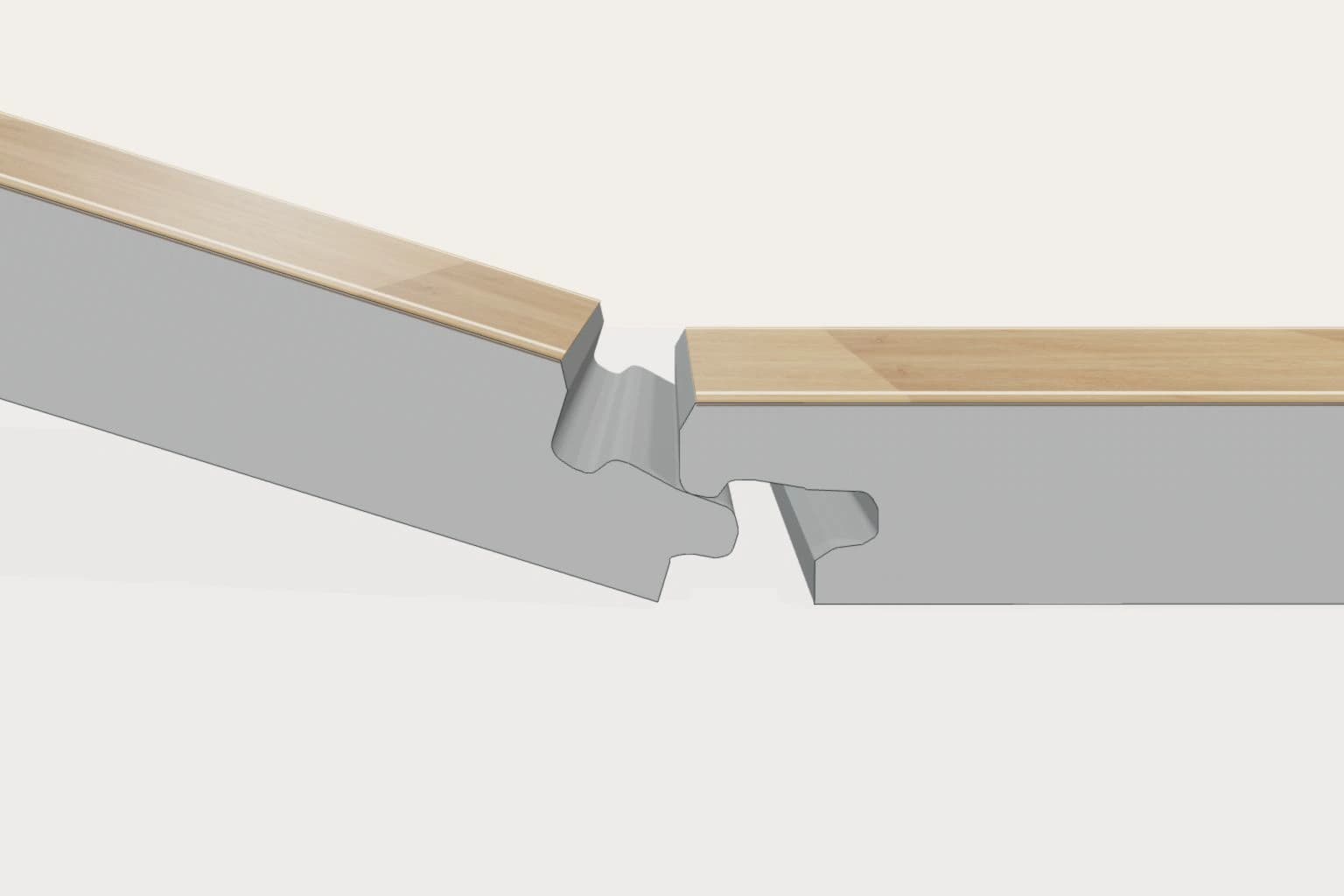
The long-edge profile works together with the board core, subfloor flatness and straight or staggered layout.
SPC long-edge profileSPC-680-6
SPC-680-6 long-edge tongue approaching the matching groove at an installation angle

This technical rendering follows the supplied 6.0 mm long-edge profile. It does not represent the short-edge lock or prove tested joint strength.

6.0 mm

Board thickness

Angle-in click

Long-edge connection

Straight plank or standard staggered

Approved layout

Why it matters

Many visible flooring problems begin at the lock: open joints, raised edges, noise, movement and gaps.

Material causes

A brittle core puts the thin tongue-and-groove profile at risk. This can happen when the formula is hard but not tough enough.

Weak board construction can show up first at the locking edge.

Weak lock geometry can chip during handling.

Poor cutting can damage the edge before installation is complete.

Site and installation causes

Even a good product can fail if the floor is forced over an uneven subfloor or installed without proper tolerance.

Uneven floors create pressure points.

Tight edges can restrict movement.

Wrong tapping can crush the lock profile.

Project details

Send project details

Choose product type and room, or add area / timing if that is what you know.

Fill only what you know.

Product

Space

WhatsApp project details