Why it matters
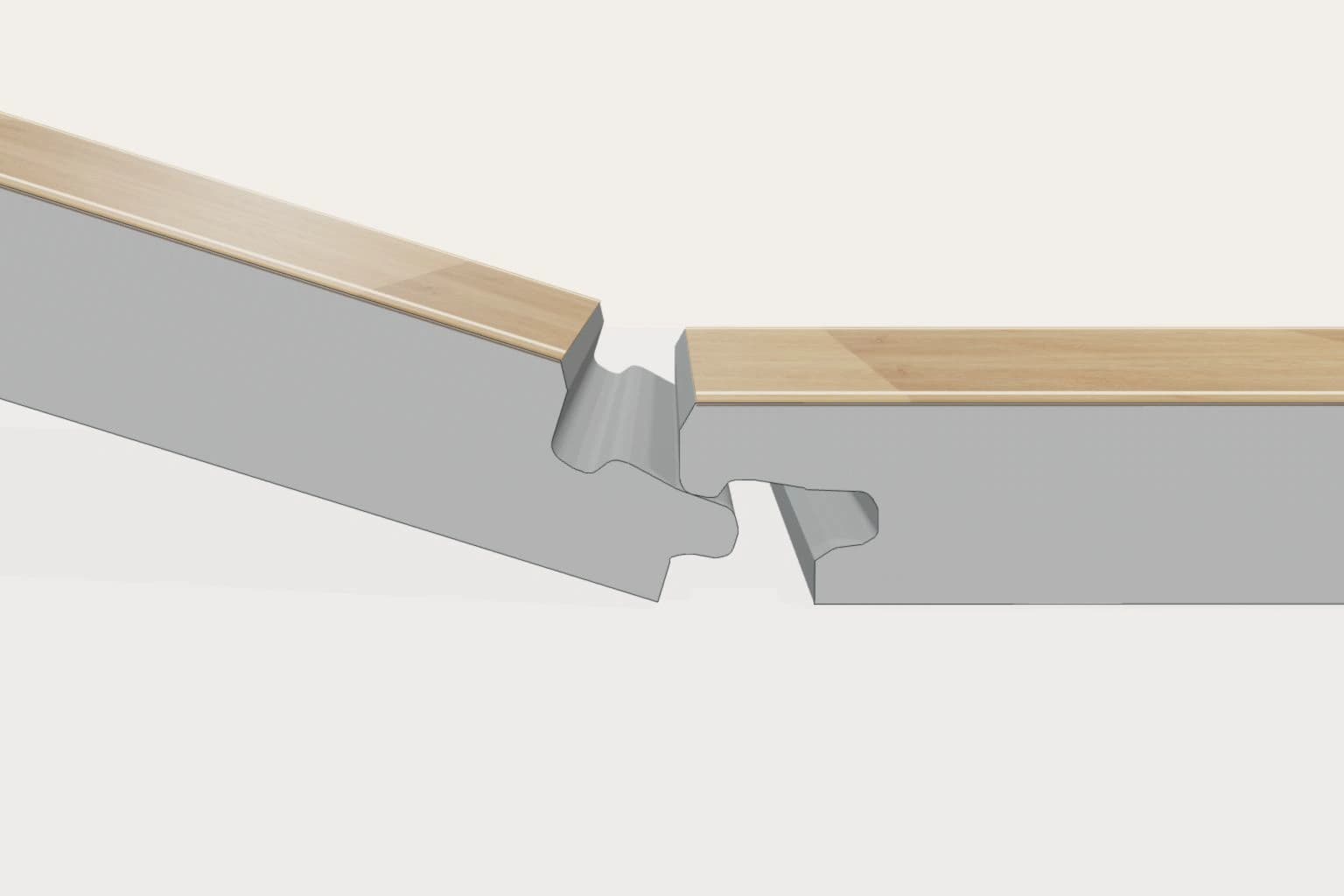
Many SPC failures appear at the joint before the surface looks worn. Understanding the lock helps buyers see why product construction and installation direction matter.
The lock is cut from the core
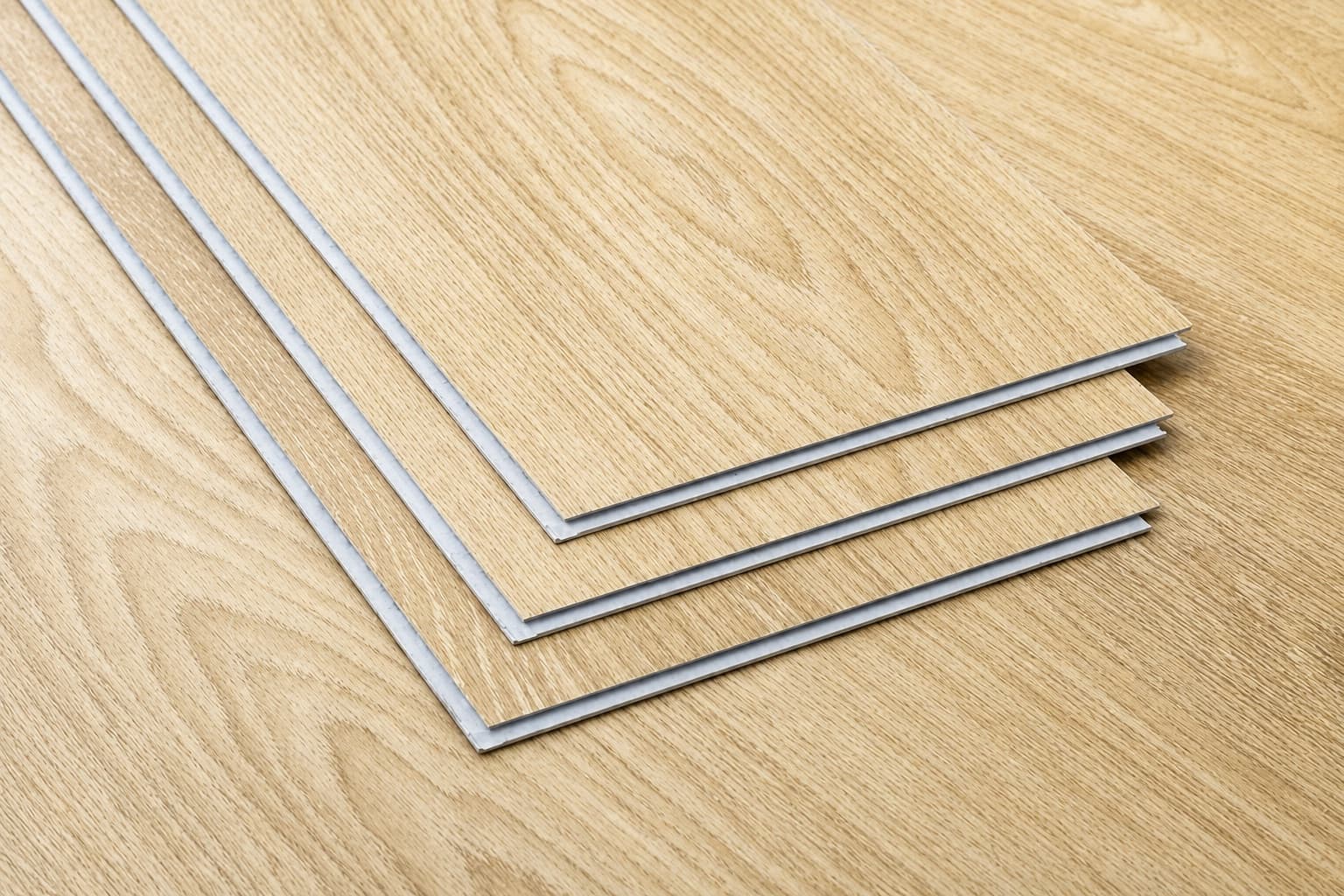
The tongue and groove are not separate metal parts. They are shaped from the plank edge, so the core material directly affects how well the lock survives handling, tapping and daily movement.
A tough core helps protect the thin edge.
A brittle core can chip or crack at the profile.
Clean cutting and correct tapping matter during installation.
Flatness protects the joint
If the subfloor has hollow areas or high points, the lock can carry stress it was not meant to carry. That stress can become gaps, sound or edge movement.
Uneven areas should be checked before work starts.
Loose or hollow tiles should be reviewed.
Movement tolerance should be planned at walls and transitions.
Enoch's SPC layout boundary
Enoch SPC must be planned and installed as straight plank or standard staggered flooring only. Herringbone, fishbone, chevron and other angled click-lock layouts must not be planned, quoted or installed for Enoch SPC because angled layouts need a different board, cut plan and locking layout.
Straight plank keeps the locking layout simple and stable.
Standard staggered layout is the normal SPC planning route.
Angled decorative patterns need a different product system.